Mbadifa house, Akiki Nya bongo Road - Mbarara City

Key intervations

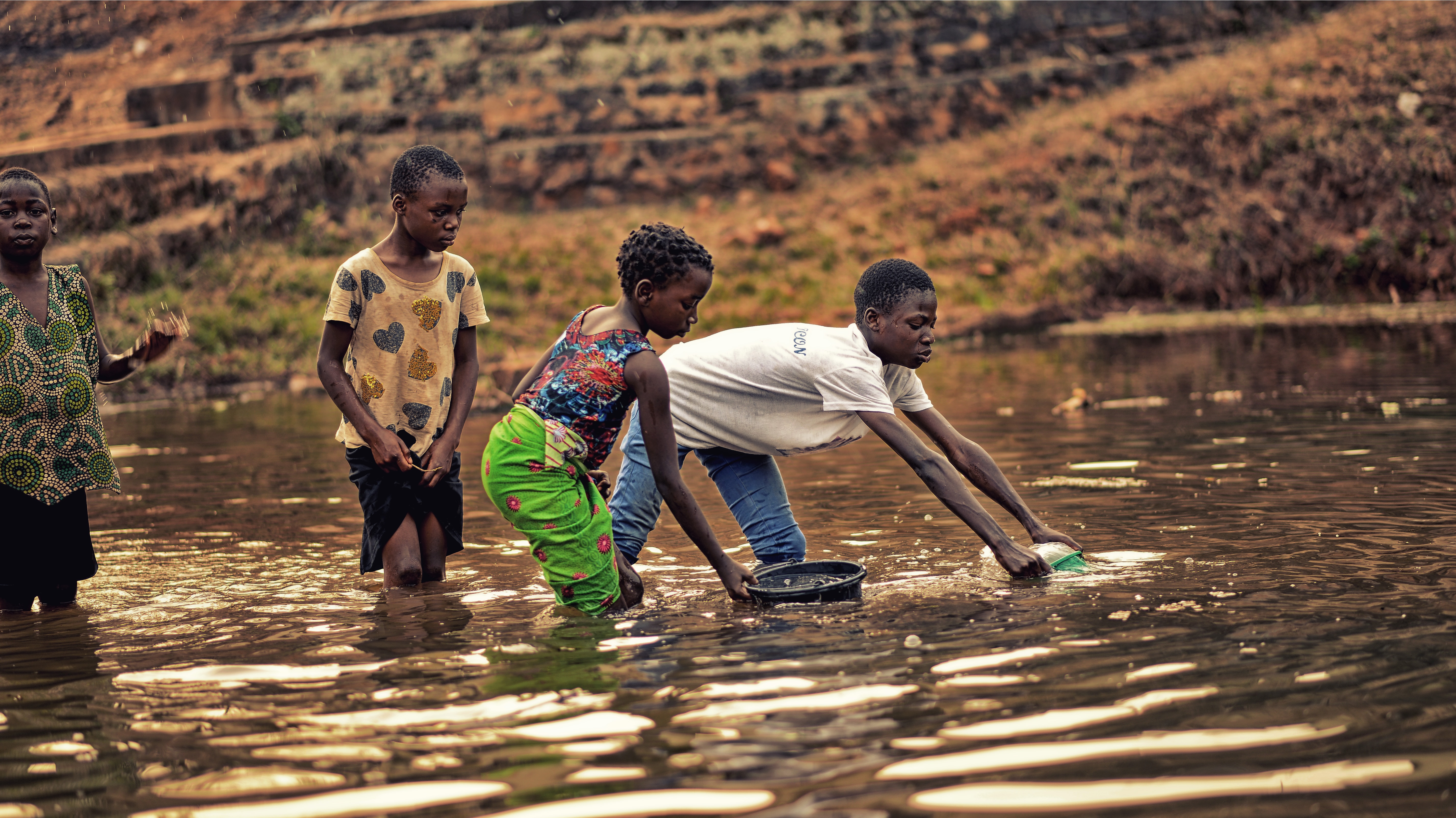
Water, Sanitation and Hygiene

Objective: Improve access to clean water, sanitation facilities and hygiene education in Uganda.

Key intervations:

  • Build capacity and train community members for long-term continuity of initiatives.
  • Implement Client-Led Total Sanitation (CLTS) to empower communities to achieve open defecation-free (ODF) status.
  • Conduct social mobilisation, community empowerment and behaviour change communication for improved sanitation practices.
  • Support infrastructure development such as construction of latrines and handwashing facilities.
  • Promote hygiene education and safe water storage.
Protection

Objective: To empower the disadvantaged communities to mitigate challenges resulting from social injustices, inequality and poor health.

Key intervations:

  • Create community awareness and build capacity on problem solving
  • Advocate for government, CSOs and stakeholders to engage in a community based and age gender, diversity and mainstreaming approaches as relevant interventions as far as addressing humanitarians concern is concerned
  • Sensitise stakeholders about Uganda’s policy as far as extending services to humanitarian development is concerned
  • Campaign for localization as a sustainability strategy as far as extending services to humanitarian core development is concerned
  • Advocate for budgetary support for livelihoods projects
  • Mobilise and educate communities through meetings, workshops and awareness campaigns for adoption of a community-based approach and age, gender, diversity and mainstreaming intervention approaches

Food security and Livelihood

Objective: Address food insecurity and poor land use management through sustainable farming practices

Key intervations:

  • Train communities on sustainable farming practices, value addition, post-harvest management, market linkages and income generation
  • Support improved land tenure systems, promote access to credit facilities and strengthen farming communities.
  • Apply Gender Action Learning Systems (GALS) methodology to promote equity and equality.
  • Provide economic empowerment for vulnerable households and refugees

Human Rights and social justice

Objective: Promote and protect human rights through policy/legal reforms, education and awareness, capacity building and monitoring violations.

Key intervations:

  • Promote the human rights to food, education, land and other basic rights for refinery-affected people and vulnerable communities.
  • Provide legal aid and advocacy for vulnerable and marginalised groups.
  • Empower communities with civic education to understand and demand their rights.
  • Provide humanitarian aid and emergency support to communities affected by disasters, conflict and displacement.
  • Advocate for transparency and accountability to prevent corruption and ensure fair distribution of resources.
  • Enforce, lobby and advocate for legislation and policies that promote women’s rights, participation and inclusion.
  • Advocate for democracy, press freedom, respect for rule of law and inclusive policy formation.

Climate and Environmental Justice

Objective: Address the unequal distribution of climate change impacts and advocate for equitable and sustainable solutions.

Key intervations:

  • Advocate and lobby for environmentally friendly policies and climate change legislation.
  • Develop public education materials to increase awareness of environmental issues and conservation needs.
  • Promote sustainable development practices to minimise resource depletion, reduce pollution and ensure long-term sustainability.
  • Preserve biodiversity and protect endangered species.
  • Encourage proper waste management practices including recycling and composting.
  • Encourage sustainable forestry practices to reduce deforestation and promote reforestation.
  • Work towards improving public health and reducing risks associated with climate change such as air pollution or toxic waste.
  • Lobby and advocate for the protection of environmental rights defenders and citizen involvement in conservation.

Refugee Emergency Response

Objective: Enhance the well-being, resilience, and social integration of refugees and host communities by improving access to essential services, livelihoods, education and psychosocial support, with special attention to women and youth.

Vocational Training and Livelihood Development

Key intervations:

  • Provide skills development, apprenticeships, and entrepreneurial training tailored to refugee and host community needs.
  • Support climate-smart and sustainable agriculture practices to improve household food security and income.
  • Facilitate market linkages and access to financial services to enable refugees and host communities to establish profitable enterprises.
  • Promote women- and youth-led income-generating initiatives for economic empowerment.

Savings Groups and Community-Based Economic Initiatives

Key intervations:

  • Establish and strengthen savings and loan groups to enhance financial resilience.
  • Provide training on financial literacy, cooperative management, and business planning.
  • Support collective ventures that integrate refugees and host communities to foster economic collaboration and social cohesion.

Education, Skills and Human Capital Development

Key intervations:

  • Support access to formal and non-formal education for children and youth, including scholarships and school materials.
  • Promote adult literacy and vocational training for refugees and host community members.
  • Integrate life skills, SRHR education, and civic awareness into training programs, emphasizing rights, gender equality, and protection against exploitation.


Healthcare, Mental Health and SRHR Services

Key intervations:

  • Provide access to primary healthcare, maternal and child health services, and reproductive health support.
  • Deliver mental health and psychosocial support programs to address trauma, stress, and gender-based violence impacts.
  • Promote community-based awareness campaigns on SRHR, mental well-being, and preventive health measures.

Community Dialogue, Social Integration and Conflict Resolution

Key intervations:

  • Facilitate structured dialogue between refugees and host communities to foster mutual understanding, social cohesion, and peaceful co-existence.
  • Support community-based conflict resolution, mediation mechanisms, and participatory decision-making platforms.
  • Advocate for the protection of refugees’ rights and access to justice, including legal aid and human rights awareness programs.


Infrastructure and Basic Services Provision

Key intervations:

  • Develop and rehabilitate essential community infrastructure including water points, latrines, shelters, and community centres.
  • Promote hygiene, sanitation, and safe water practices, aligned with WASH and CLTS initiatives.
  • Ensure facilities are inclusive, safe, and accessible for women, children, and persons with disabilities.


Expected Outcomes:

  • Improved livelihoods and economic self-reliance of refugee and host households.
  • Increased access to education, healthcare, mental health, and SRHR services.
  • Enhanced social cohesion, reduced tensions, and peaceful integration.
  • Strengthened resilience of refugees and host communities to socio-economic shocks.

Results Framework (Outcome Highlights)

Strategic Objective Expected Outcomes Indicators
Sustainable natural resource management Communities adopt climate-smart and environmentally sustainable policies % of households adopting climate smart practices; number of changes influenced
Sustainable agricultural practices Increased household food security and income % of households with improved food security; number of farmers trained;
Human rights & social justice Increased protection and realisation of rights for vulnerable communities Number of legal aid cases handled; number of advocacy campaigns conducted
Clean energy access Increased uptake of renewable energy solutions events % of households using clean energy; number of community awareness
Refugee emergency interventions Improved access to services and from livelihoods for refugees and host communities Number of refugees benefiting livelihoods support; % increase in peaceful coexistence indicators
Clean water and sanitation Increased access to clean water and improved hygiene practices % of population with access to safe water; number of ODF communities achieved

WRM-UG ’s Theory of Change Statement

IF communities are empowered to defend their rights, participate in decision-making processes that impact their social coexistence, and jointly contribute resources to achieve their community aspirations, THEN social communal resilience to injustices and sustainable livelihoods will be achieved.

Top Assumptions:

  • Government of Uganda will sustain its political support and prioritization of agricultural production and human capital development.
  • Societal stigma, social intolerance, abuse of human rights and gender inequality will be minimized.
  • WRM-UG will generate sufficient resources and have internal capacity to implement this strategic plan.
  • WRM-UG will establish and sustain strategic partnerships with CSOs and the private sector.


Pathway:

  • Inputs: Funding, staff expertise, partnerships with government, CSOs and local leaders; training materials; advocacy tools.
  • Activities: Capacity building, advocacy, community mobilisation, service delivery, policy engagement.
  • Outputs: Trained communities; increased knowledge and awareness; improved access to services; policy reforms.
  • Outcomes: Empowered communities adopting sustainable practices; increased protection of human rights; improved livelihoods and resilience; equitable access to clean energy, water and sanitation.
  • Impact: A just, equitable and sustainable society where vulnerable communities, especially women, girls and refugees, live in dignity and resilience.


Implementation Approach

  • Community-Led: All programmes are designed with the active participation of beneficiaries.
  • Gender Responsive: Integrating Gender Action Learning Systems and other proven strategies to promote equality.
  • Partnerships: Working with government, CSOs, funders and communities to maximise impact.
  • Advocacy & Policy Engagement: Linking community experiences to national and global policy frameworks.
  • Sustainability: Building local capacity for continuity beyond project cycles.


Conclusion:

WRM-UG ’s strategic plan and theory of change provide a roadmap for delivering impactful, community-driven interventions across Uganda’s most pressing human rights, environmental and livelihood challenges. By linking grassroots action with policy advocacy, we seek to achieve systemic change that benefits both present and future generations.